Storm Flood Cleanup in Riverside, CA
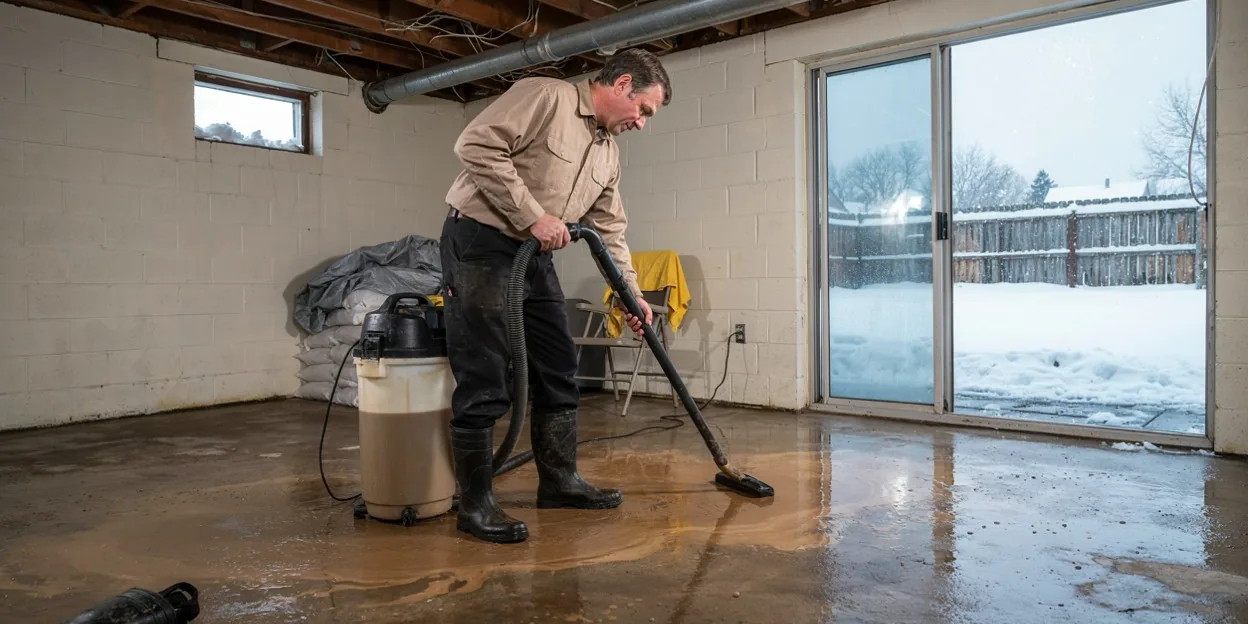
The storm stalled over the Inland Empire for most of the night, the gutter at the end of the cul-de-sac backed up, and by 3 a.m. brown water was coming in under the garage door and across the slab into the laundry room. The boxes along the back wall of the garage are sitting in mud. This site routes your call to an independent local provider who cleans up after storm flooding in Riverside and across the western Inland Empire.
Pumping out the garage and sorting what the water touched
Street and river water is not plumbing water. It carries silt, oil off the pavement, fertilizer, and whatever the storm drains picked up on the way, so the crew treats it as contaminated from the first bucket. They pump out the standing water, shovel and vacuum the mud, and then meter every wall and floor the water reached. Porous materials that soaked up floodwater, including carpet pad, cardboard, particleboard, and the bottom of drywall, come out rather than being dried.
Then the hard surfaces get cleaned and disinfected, and the drying equipment goes in. The crew photographs the waterline on the garage wall and on the boxes before anything moves, because that line is what shows how deep it got.
Safe steps before the crew gets there
Do not wade into the garage if the water is near an outlet or the panel. Cut the breaker from a dry spot if you can. Shut off the gas to the water heater if the pilot is near the water. Photograph the waterline and everything standing in it from the doorway. Move the car out if it is safe. Do not run the house air handler if the return is in the garage. Then call and say the water came from the street, not from a pipe.
Why floodwater changes the keep-or-toss decision
With a clean supply leak, carpet often comes back. With floodwater it almost never does. Carpet, pad, and anything cardboard or fabric that sat in it are bagged and removed. Drywall is cut above the waterline and the insulation behind it discarded. Garage cabinets with particleboard bases come out. Concrete, tile, and sealed hardscape are cleaned and dried in place. Tools, bikes, and plastic bins can usually be hosed off and saved. Keep children and pets out of the affected rooms until the crew says the surfaces are clean.
Atmospheric rivers, the Santa Ana, and the flats below Box Springs
Riverside gets most of a year's rain in a handful of winter storms, and the ground is too hard-packed to take it. The January 2023 atmospheric rivers and the storm of early February 2024 filled the Santa Ana River bottom along the north and west edges of the city and sent sheet flow down the streets in the flats near Jurupa Valley, La Sierra, and Arlington. Tropical Storm Hilary did the same thing in August 2023, out of season. Houses at the low end of a cul-de-sac, below a hillside in Canyon Crest, or next to an old flood-control channel are the ones that call.
The county's flood-control district runs the channels and basins that carry that runoff away, and when a basin fills the overflow finds the nearest garage. A storm that also lifted roof tile sends water in from above at the same time, which is roof leak water damage work on the same visit. Once the contaminated materials are out, structural drying takes over.
Flood damage from outside water is usually excluded from a standard homeowners policy and covered, if at all, under a separate flood policy. This site makes no promise about either. Have the crew photograph the waterline and log readings from the first visit so you have a record.
Calling after storm water came in from the street
Say where the water entered, how deep it got, and whether it has drained. Mention if the garage has the water heater or the electrical panel in it. Have the address ready and a number where we can reach you. Call (951) 631-2989.