Water Damage Restoration in Orangecrest, CA
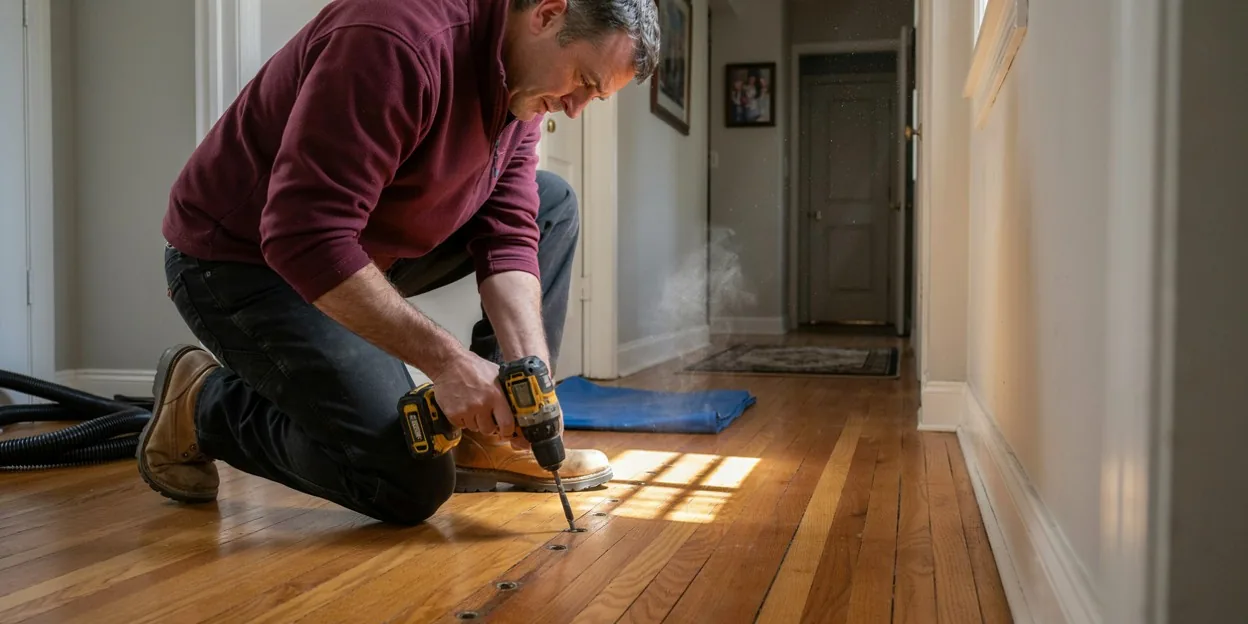
Orangecrest is the southeast corner of Riverside, between Van Buren Boulevard, Alessandro Boulevard, and the fence line of March Air Reserve Base. It was orange groves and open land into the 1980s, and then the tracts came in two waves: 1988 to 1995 two-story stucco homes on slabs around Orange Terrace Parkway, and 2000 to 2008 larger two-story homes toward the base and Mission Grove. Nearly every street has an HOA. The oldest Orangecrest houses are now past thirty-five years, and the second water heater is failing in garages that were built for the first.
The neighborhood sits on the old grove land at about 1,500 feet, higher and flatter than the Arlington flats, and it drains west toward the Sycamore Canyon basins. Storm water is less of a problem here than in the river-bottom neighborhoods, though the February 2024 atmospheric river put water across the low intersections along Trautwein Road. The real problems are inside: attic air handlers with condensate drains clogged by Santa Ana dust, upstairs laundry rooms, and copper that has carried hard water for three decades.
This site routes Orangecrest homeowners to an independent local water damage provider by phone. The provider meters the house before setting a scope.
Orangecrest water damage in a two-story tract house
A ceiling stain under the attic air handler or the upstairs laundry is ceiling water damage repair, and the drain pan gets checked first. A tank that let go in a three-car garage is water heater leak cleanup. A warm patch of tile downstairs is a leak detection call.
The cemetery at the base fence
Riverside National Cemetery, opened in 1976 on former March Field land along Van Buren Boulevard, is the busiest national cemetery in the country and the open ground that borders Orangecrest on the east. Rebuild permits for the neighborhood go through the City of Riverside, and most HOAs have rules about dumpsters, so ask when you call.
Call (951) 631-2989 and tell us what you found. We route the call to a local water damage provider serving Orangecrest.
Services Available in Orangecrest
Water Extraction
Standing water pulled off slab-floor tile, laminate, and carpet in a Riverside house, then the first meter readings to see how far it ran.
Structural Drying
Air movers and dehumidifiers run until slab-side drywall, cabinets, and flooring hit their dry target, even on a cool, damp January week.
Leak Detection
A warm tile, a spinning meter, or a soft wall traced to a pitted copper line under the slab or inside a wall before anyone cuts concrete.
Slab Leak Water Damage
Carpet, laminate, and the bottom of the walls soaked by a line that failed under the slab, dried out and documented once the plumber has it stopped.
Storm Flood Cleanup
Muddy street runoff and Santa Ana River bottom water pulled out of a garage or ground floor after an atmospheric river, with contaminated materials removed.
Water Heater Leak Cleanup
A tank that let go in a garage, side-yard closet, or hall cabinet and the drywall and flooring it soaked on the way across the slab.
Ceiling Water Damage Repair
A stained, sagging, or dripping ceiling under a second-floor bath, a roof-mounted swamp cooler, or an attic air handler, dried and opened only where wet.
Roof Leak Water Damage
Wet attic insulation, ceilings, and walls dried out after Santa Ana winds lifted tile or a winter storm found the valley flashing.